



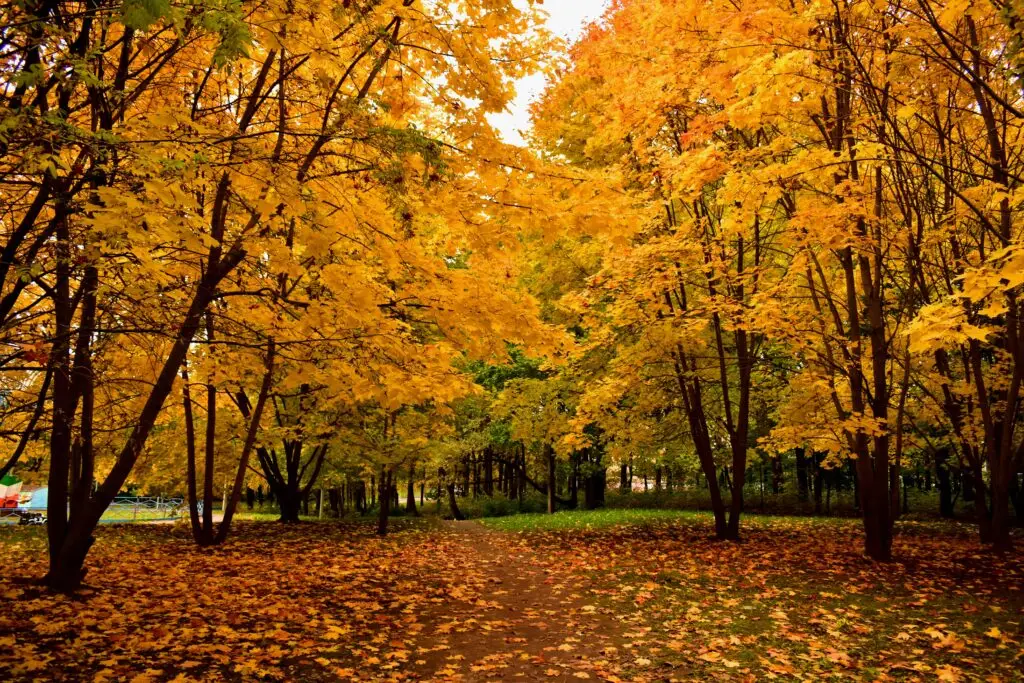
When it comes to lawn and garden care, many homeowners assume fertilization is just for spring. But fall is actually one of the best times to fertilize your trees—especially if you want healthy growth come spring.
Why Fertilize Trees in the Fall?
During the fall, trees enter a state of dormancy above ground, but their root systems remain active underground. Fertilizing now helps strengthen those roots, boost nutrient reserves, and improve resistance to winter stress and early spring pests or diseases.
Steps for Effective Fall Tree Fertilization:
1. Choose the Right Fertilizer
Use a slow-release, balanced fertilizer with nitrogen, phosphorus, and potassium (look for a ratio like 10-10-10 or 12-6-6). Some formulations are even tailored for trees and shrubs.
2. Time It Right
Fertilize in early to mid-fall, after leaf drop but before the ground freezes. This timing helps feed the roots without encouraging late-season leaf growth.
3. Focus on the Drip Line
Apply fertilizer in a wide ring around the tree, ideally around the drip line (where the outermost branches extend). Avoid placing fertilizer too close to the trunk, where it can cause harm or be ineffective.
4. Use the Right Method
You can apply granular fertilizer to the surface, or use soil injection for deep root feeding (best done by a pro). Water thoroughly after application to help nutrients soak into the soil.
5. Don’t Overdo It
More isn’t better. Over-fertilizing can lead to excessive growth, weaken the tree, or pollute nearby waterways. Always follow label instructions or consult a certified arborist.
Bonus Tip:
Before fertilizing, consider doing a soil test to determine what nutrients your tree actually needs. This ensures you’re not wasting money—or harming your tree—with unnecessary products.