



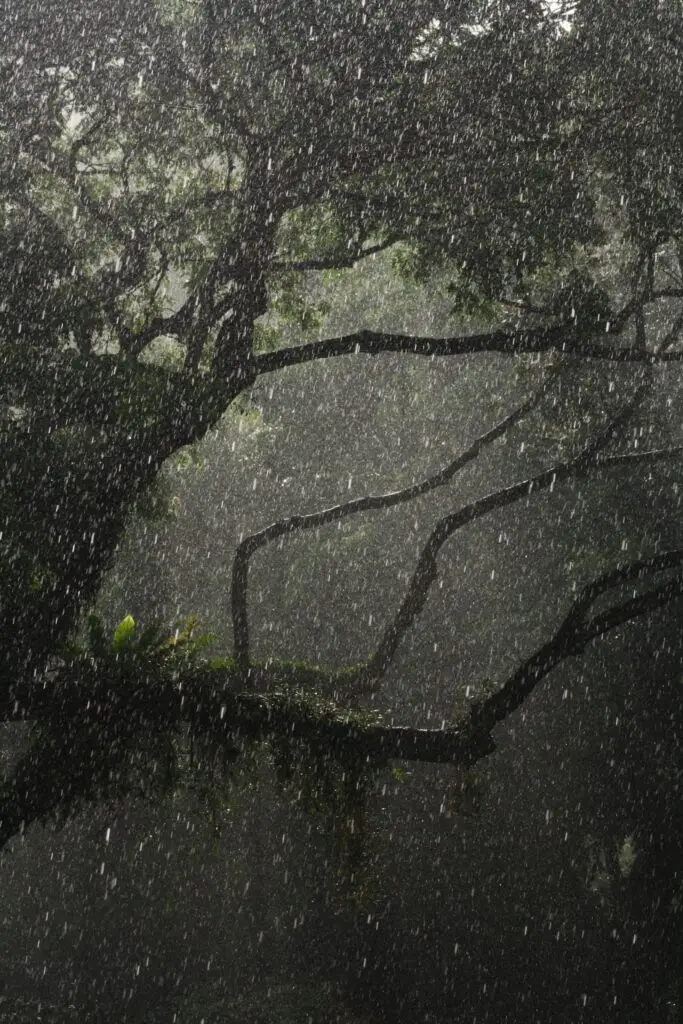
While trees need water to thrive, too much of a good thing can be harmful. Flooding and prolonged heavy rains can cause serious stress to trees, often with lasting consequences.
One of the primary dangers is root suffocation. Tree roots need oxygen to function, and when the soil is saturated for extended periods, that oxygen gets pushed out. This lack of air can lead to root rot, reduced nutrient absorption, and even death in extreme cases.
Floodwaters can also wash away topsoil, stripping trees of critical nutrients and destabilizing their root systems. Younger trees and those with shallow roots are especially vulnerable to being uprooted or leaning due to loose, saturated soil.
In addition, standing water can invite pests and diseases, including fungi and bacteria that thrive in wet conditions. Trees already stressed by flooding are less capable of fighting off infections or infestations.
Flooding may also change the soil composition, introducing contaminants or altering pH levels, which further stresses tree health.
In short, while trees may appear resilient, the impact of heavy rains and flooding can be severe—often silently weakening them over time. If your trees have been exposed to standing water or soaked soil for more than a few days, it’s a good idea to consult with a certified arborist to assess the damage and create a care plan.